 Official websites use .gov
A .gov website belongs to an official government organization in the United States.
 Secure .gov websites use HTTPS
A lock (Lock A locked padlock) or https:// means you’ve safely connected to the .gov website. Share sensitive information only on official, secure websites.
Nutrient Pollution
slide 1 of 4 * ## Harmful Algal Blooms Nutrient pollution can intensify algae growth in water bodies, causing algal blooms that can harm human health, animals and aquatic ecosystems. Learn about Harmful Algal Blooms * ## States’ Efforts to Reduce Nutrient Pollution Learn about state nutrient reduction strategies and efforts as well as the EPA’s tools and funding to assist states. Explore State EffortsExit EPA’s Website * ## Nutrient Water Quality Criteria Water quality criteria for nutrients like nitrogen and phosphorus help to protect water bodies and restore those that are impaired by nutrient pollution. Learn about Numeric Nutrient Criteria * ## The EPA’s Efforts to Reduce Nutrient Pollution The EPA continues to work diligently to reduce nutrient pollution in our nation’s waterbodies. Discover the EPA's Efforts * ## Harmful Algal Blooms Nutrient pollution can intensify algae growth in water bodies, causing algal blooms that can harm human health, animals and aquatic ecosystems. Learn about Harmful Algal Blooms
1234
Nutrient pollution is one of the most widespread and challenging environmental problems our nation faces. When too many nutrients—mainly nitrogen and phosphorus—enter our water bodies they cause excessive algal growth which can harm aquatic life and, in many instances, produce toxins that can also harm people and animals. Excess nitrogen in the air can make breathing difficult, cause acid rain, limit visibility and alter plant growth.
*  Learn how and where nutrient pollution occurs, how it can lead to the formation of harmful algal blooms, and other impacts it can have on our health, ecosystems and economy.
Learn about Nutrient Pollution
*
Learn how and where nutrient pollution occurs, how it can lead to the formation of harmful algal blooms, and other impacts it can have on our health, ecosystems and economy.
Learn about Nutrient Pollution
*  We can all take actions to reduce nutrient pollution through daily choices we make in and around our homes, workplaces, classrooms and communities.
Help Prevent Nutrient Pollution
*
We can all take actions to reduce nutrient pollution through daily choices we make in and around our homes, workplaces, classrooms and communities.
Help Prevent Nutrient Pollution
*  The EPA continues to work diligently to reduce nutrient pollution in our nation’s waterbodies.
Learn about the EPA’s Efforts to Reduce Nutrient Pollution
*
The EPA continues to work diligently to reduce nutrient pollution in our nation’s waterbodies.
Learn about the EPA’s Efforts to Reduce Nutrient Pollution
* 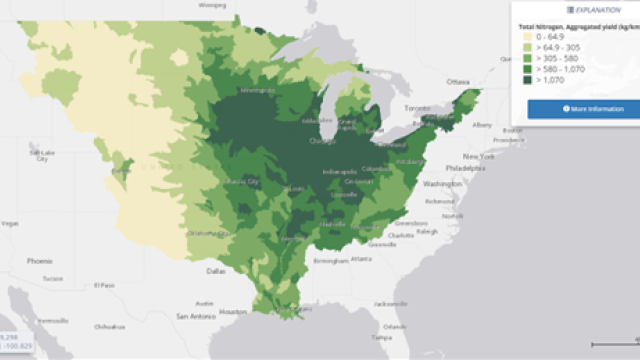 The EPA has collected data and develop tools to better understand, manage, and reduce nutrient pollution in surface and source waters.
Explore Data and Tools
*
The EPA has collected data and develop tools to better understand, manage, and reduce nutrient pollution in surface and source waters.
Explore Data and Tools
* 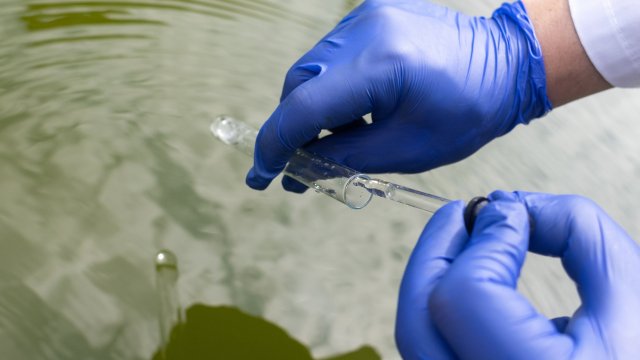 Water quality criteria for nitrogen and phosphorus help to protect water bodies and restore those that are impaired by nutrient pollution.
Learn about Numeric Nutrient Criteria
*
Water quality criteria for nitrogen and phosphorus help to protect water bodies and restore those that are impaired by nutrient pollution.
Learn about Numeric Nutrient Criteria
*  The EPA supports and facilitates access to state progress via a StoryMap, basic and applied research, publications, and resources to help manage nutrient pollution in our nation’s waters.
Discover States' Efforts, Research and Reports
The EPA supports and facilitates access to state progress via a StoryMap, basic and applied research, publications, and resources to help manage nutrient pollution in our nation’s waters.
Discover States' Efforts, Research and Reports
Contact Us about Nutrient Pollution to ask a question, provide feedback, or report a problem. Last updated on March 26, 2026 Welcome! Please share your feedback on how we can make www.epa.gov work better for you. A red asterisk (*) indicates a required field.
Success
Thank you. Your feedback has been received.
Error
alert message Required Questions - page 1 of 2 question_55203_answer_01 How would you rate your experience on www.epa.gov today? *
0 Stars 1 Star 2 Stars 3 Stars 4 Stars 5 Stars Please explain the reason for your rating. * 400 characters allowed Would you like to take two more minutes to answer more questions to help us improve our services? Yes, keep going → No, only submit these responses Optional questions - page 2 of 2 How would you describe yourself? Business Government employee Scientist Student Other Enter other text Please tell us why you visited www.epa.gov today. 400 characters allowed Did you visit www.epa.gov to accomplish a specific task? If yes, please explain why you were able or unable to accomplish your task. 400 characters allowed How can we make www.epa.gov a more helpful website? 400 characters allowed Submit []: required