 Official websites use .gov
A .gov website belongs to an official government organization in the United States.
 Secure .gov websites use HTTPS
A lock (Lock A locked padlock) or https:// means you’ve safely connected to the .gov website. Share sensitive information only on official, secure websites.
Effluent Guidelines Plan
 The EPA periodically reviews the existing Effluent Guideline regulations (also called Effluent Limitation Guidelines or ELGs), and updates them, as appropriate.
The Effluent Guidelines Program Plan , published every two years, identifies existing industries selected for regulatory revisions and new industries identified for regulation. The Plan provides a rulemaking schedule for any such activities.
The EPA periodically reviews the existing Effluent Guideline regulations (also called Effluent Limitation Guidelines or ELGs), and updates them, as appropriate.
The Effluent Guidelines Program Plan , published every two years, identifies existing industries selected for regulatory revisions and new industries identified for regulation. The Plan provides a rulemaking schedule for any such activities.
Preliminary Effluent Guidelines Program Plan 16
The Preliminary Effluent Guidelines Program Plan 16 (Preliminary Plan 16) announces the EPA’s intent to conduct several new detailed studies of industrial categories. On this page: * Background * Planning Process * Participate in the Effluent Guidelines Planning Process * Additional Information
Background
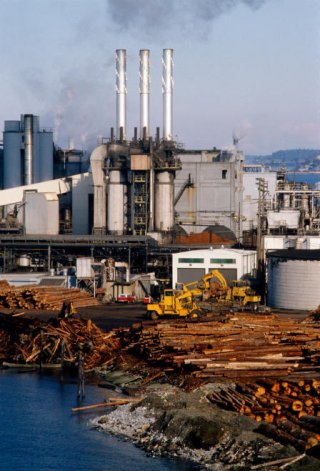 The EPA publishes Effluent Guidelines, nationally-applicable water pollution regulations for industrial and commercial facilities. ELGs are technology-based regulationstechnology-based regulationsA regulation based on the performance of wastewater treatment and control technologies. The discharge standards are developed independently of the potential impact of a discharge on the receiving water body. (Impacts on specific receiving waters are addressed through other Clean Water Act mechanisms: Water Quality Standards and water quality-based effluent limitations in individual permits). based on the performance and costs of demonstrated wastewater control and treatment technologies. To date, the EPA has issued ELGs for 59 industrial categories. These regulations apply to about 40,000 facilities that discharge directly to the nation's waters, 129,000 facilities that discharge to municipal sewage treatment plants, and certain construction sites. Cumulatively, ELGs prevent the discharge of over 700 billion pounds of toxic pollutants annually.
* Learn more about Effluent Guidelines
The EPA publishes Effluent Guidelines, nationally-applicable water pollution regulations for industrial and commercial facilities. ELGs are technology-based regulationstechnology-based regulationsA regulation based on the performance of wastewater treatment and control technologies. The discharge standards are developed independently of the potential impact of a discharge on the receiving water body. (Impacts on specific receiving waters are addressed through other Clean Water Act mechanisms: Water Quality Standards and water quality-based effluent limitations in individual permits). based on the performance and costs of demonstrated wastewater control and treatment technologies. To date, the EPA has issued ELGs for 59 industrial categories. These regulations apply to about 40,000 facilities that discharge directly to the nation's waters, 129,000 facilities that discharge to municipal sewage treatment plants, and certain construction sites. Cumulatively, ELGs prevent the discharge of over 700 billion pounds of toxic pollutants annually.
* Learn more about Effluent Guidelines
Planning Process
 In the ELG Planning Process, the EPA is guided by the following goals:
* Restore and maintain the chemical, physical, and biological integrity of the nation’s waters; and
* Provide transparent decision making and involve stakeholders early and often during the planning process.
In the ELG Planning Process, the EPA is guided by the following goals:
* Restore and maintain the chemical, physical, and biological integrity of the nation’s waters; and
* Provide transparent decision making and involve stakeholders early and often during the planning process.
The EPA considers four main factors when prioritizing existing ELGs for possible revision:
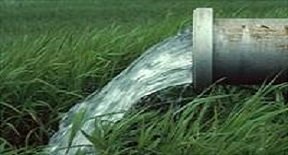 1. The performance of applicable and demonstrated wastewater treatment technologies, process changes, and pollution prevention strategies to reduce pollutants in an industrial category’s wastewater;
2. The costs (economic achievability) of demonstrated wastewater treatment technologies, process changes, and pollution prevention alternatives;
3. The amount and types of pollutants in an industrial category’s discharge; and
4. The opportunity to promote technological innovation or to eliminate inefficiencies or impediments to pollution prevention.
1. The performance of applicable and demonstrated wastewater treatment technologies, process changes, and pollution prevention strategies to reduce pollutants in an industrial category’s wastewater;
2. The costs (economic achievability) of demonstrated wastewater treatment technologies, process changes, and pollution prevention alternatives;
3. The amount and types of pollutants in an industrial category’s discharge; and
4. The opportunity to promote technological innovation or to eliminate inefficiencies or impediments to pollution prevention.
Participate in the Effluent Guidelines Planning Process
 Read the current Preliminary Effluent Guidelines Plan
- Get Involved
- Contact the EPA about an industry
- Learn about industrial discharges in your area
- Review the plans and support documents
- Submit comments
- Past Effluent Guidelines Plans
Additional Information
For additional information, please contact Doruntinë Rexhepi (rexhepi.doruntine@epa.gov) or 202-566-2532.
Effluent Guidelines
Open Sidenav Menu Close Sidenav Menu Contact Us About Effluent Guidelines Contact Us About Effluent Guidelines to ask a question, provide feedback, or report a problem. Last updated on November 25, 2025 Welcome! Please share your feedback on how we can make www.epa.gov work better for you. A red asterisk (*) indicates a required field.
Success
Thank you. Your feedback has been received.
Error
alert message Required Questions - page 1 of 2 question_55203_answer_01 How would you rate your experience on www.epa.gov today? *
0 Stars 1 Star 2 Stars 3 Stars 4 Stars 5 Stars Please explain the reason for your rating. * 400 characters allowed Would you like to take two more minutes to answer more questions to help us improve our services? Yes, keep going → No, only submit these responses Optional questions - page 2 of 2 How would you describe yourself? Business Government employee Scientist Student Other Enter other text Please tell us why you visited www.epa.gov today. 400 characters allowed Did you visit www.epa.gov to accomplish a specific task? If yes, please explain why you were able or unable to accomplish your task. 400 characters allowed How can we make www.epa.gov a more helpful website? 400 characters allowed Submit []: required